
Chemical peels, light to deep
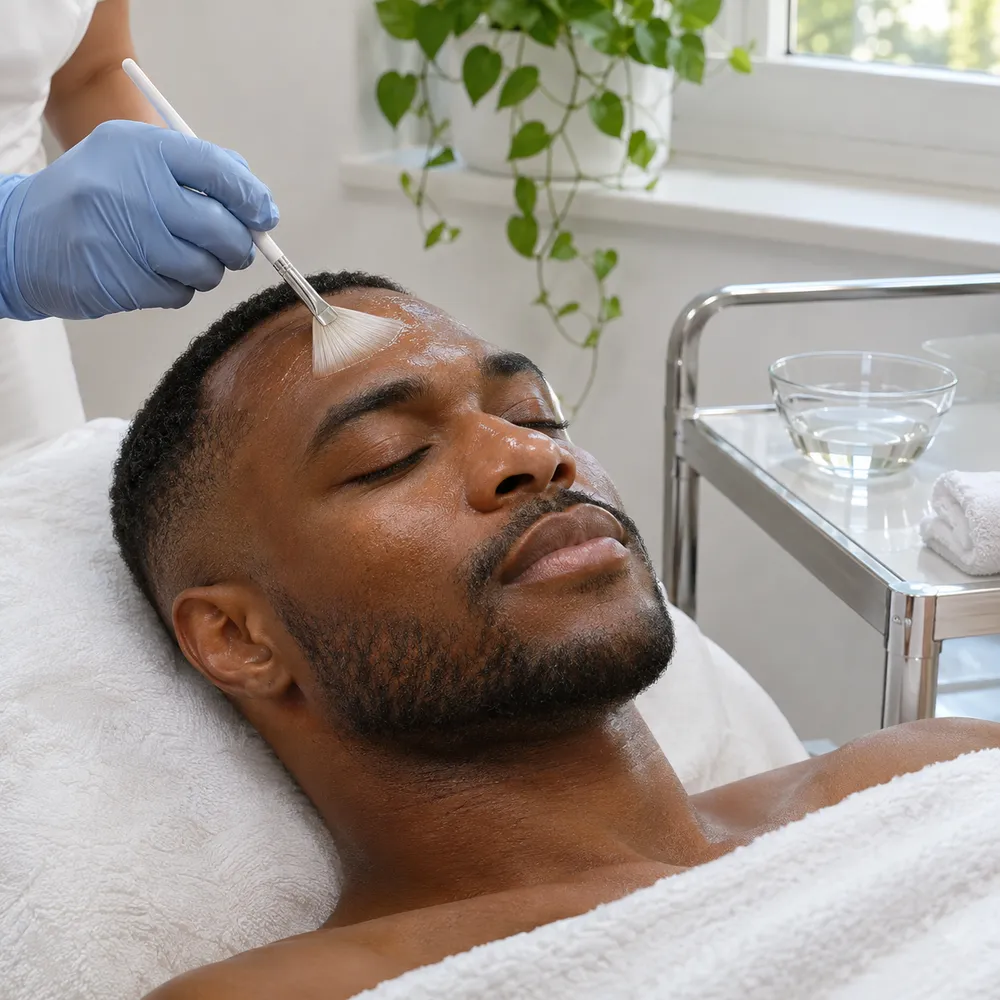
The standard for a chemical peel starts with what it does, not what the product is called. Cleveland Clinic explains: A chemical peel uses a chemical solution to remove layers of skin, revealing the more youthful skin underneath. Any treatment sold as a peel should fit that description and be explained to you in those terms.
Light to deep is one scale
Peels are described from light to deep, and this guide judges each one against the depth it claims. Cleveland Clinic states: Recovery time is longer with a deep peel. A finished light peel and a finished deep peel therefore get different checks, and the clinic should tell you which set applies to you.
The American Society of Plastic Surgeons keeps a broader overview of skin rejuvenation and resurfacing for readers who want to see where peels sit among the other options.
Checklist topics
The two peel guides below each turn one clinical source into checks for a specific reason to book.
- Peels in a melasma treatment plan covers what a peel is asked to do when melasma is the reason for the visit.
- Peels as one option for acne scars covers how a peel fits beside the other choices for scarring.
For background on the condition itself, Cleveland Clinic publishes a guide to melasma treatment, causes and prevention.
The shortcut to question
The shortcut that is easiest to miss is a visit that names the product and skips the depth. Ask which depth of peel is planned, what recovery that depth involves, and what the finished result is meant to look like. If a clinic cannot answer all three, treat the peel as unfinished work.
If a peel is not the treatment you are weighing, compare it with microneedling for scars and skin tone.
Pages filed under this treatment